
Optimizing inventory management for online retail
Online retailers need to make smart, data-based decisions on what to stock and what not, to manage their large catalogues of items available.
Online retailers need to make smart, data-based decisions on what to stock and what not, to manage their large catalogues of items available.

We interviewed a few CIOs to see what they thought were the corner stones of new system implementations and wrote down the recurring themes concerning retail planning.
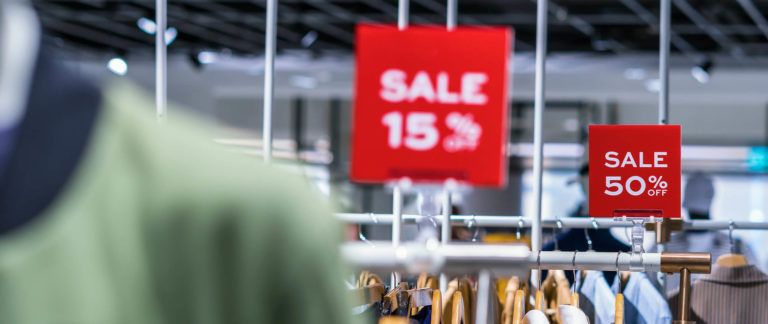
Markdowns cost retailers billions, yet they are essential in the world of retail. To make most of it, retailers need to maximize margin and avoid excess stock.

Running a grocery business has changed fundamentally: The days of working on intuition have passed, and the days of data analytics and frictionless retail are here.

Years ago, a store may have stocked between 7,000 and 8,000 over-the-counter SKUs. Today, retailers have to account for and optimize anywhere between 15,000 and 20,000 SKUs.

Many assume that a focus on quality leads to a higher level of waste. It doesn't. In fact, waste and quality problems often share the same root cause.
Choosing a supply chain planning system isn’t easy. That's why we've listed some things to consider if you’re going to transform your supply chain planning.

As a retailer, you’re under tremendous pressure from all sides. The good old days of simply stacking the shelves and watching it sell are long gone and the competition is fiercer than ever.
This increasingly complex supply chain means that retailers today can no longer rely on traditional pricing strategies in order to differentiate.
Driving efficiency and increasing revenue in this ever-changing environment means a constant pull in multiple directions. So how can the CFO create change, improve the operating ratios and minimize risks for the business?
Our values have been presented outside the company once, at our 10th anniversary party in January this year. But, I thought, why not write them up?