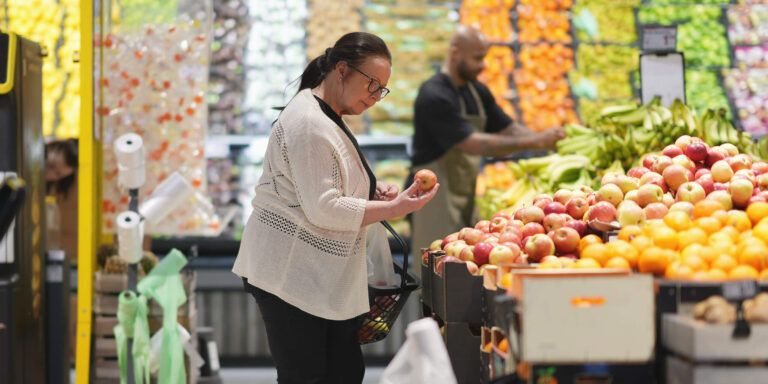
Fresh optimization: Catching grocery retail’s white whale
The unique characteristics of managing fresh grocery retail have made it a hidden treasure amid a sea of AI and machine learning technologies.
The unique characteristics of managing fresh grocery retail have made it a hidden treasure amid a sea of AI and machine learning technologies.
During my almost seven years working with space planning, I’ve faced almost every question there is to ask around the topic. One, however, seems to come up constantly “Can we use forecast data when making the planograms?”

In the following Q&A, Jeff Bulger shares his insights and experiences on the power of pricing and how choosing the right pricing solution can help retailers stay ahead of the competition.

Modern planning tools build on what made MRP integral to manufacturing in the first place but provide more robust solutions to the current supply chain problems plaguing manufacturers.
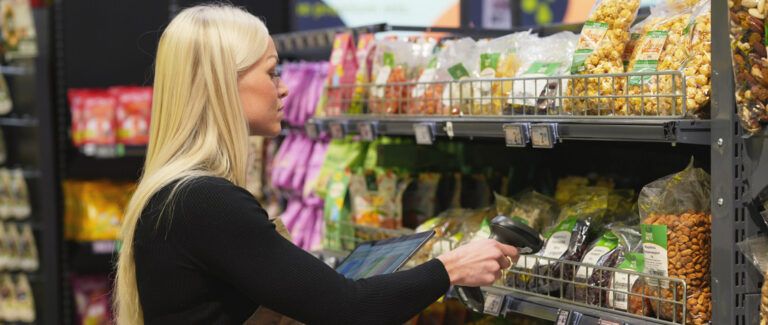
In today's retail landscape, pricing and promotions are universally acknowledged as key merchandising levers and critical components of a successful business strategy. However, many retailers grapple with managing these areas separately, leading to inefficiencies and missed opportunities.

Sometimes, it seems the only thing preventing retailers from pushing their winter holiday products out on the first day of October is that their display areas are still reserved for Halloween products. It makes sense to keep seasonal products out for as long as possible to maximize the enormous impact their sales can have on margin.

Demand needs versus supply realities. Production constraints versus customer obligations. Long-term planning versus short-term flexibility.

While many retailers widely use category insight data such as product performance, area demographics, and demand patterns to produce more customer-focused assortments, they fail to leverage the knowledge of those closest to the customer – the local store staff.

Discover how fresh packaged foods manufacturers can use high-accuracy demand forecasting to achieve optimal freshness.

Frontline teams cope with heavy workloads, burnout, and turnover in today's workforce, making store operations optimization crucial, especially for fresh products, to alleviate constraints and improve efficiency.

The growth of omnichannel retail has provided consumers with more options than ever to purchase goods. This brings new challenges for consumer electronics retailers when managing their inventory and supply chains.
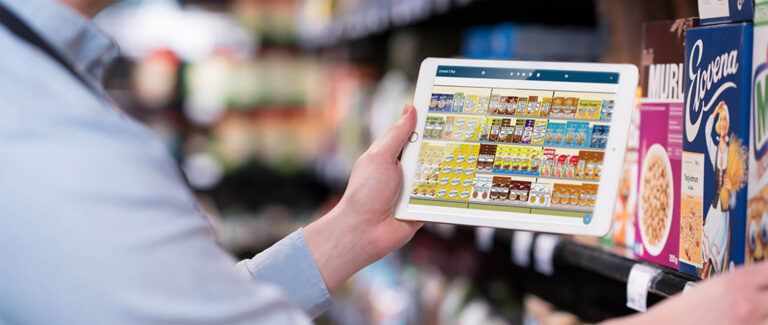
Store-specific planograms are transforming retail shelf management. Why? They cater to each store's unique needs, ensuring products with high demand are rightly positioned.
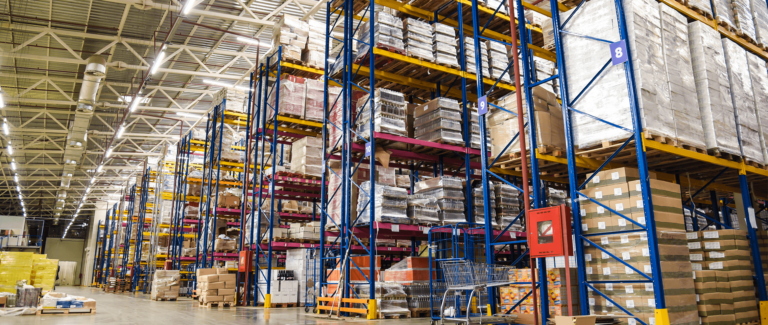
This article explores three common challenges faced by wholesalers, and how AI can help tackle challenges.

Load optimization requires more than just efficient truck loading on the part of suppliers. Here’s how wholesalers and retailers can do their part with coordinated ordering.
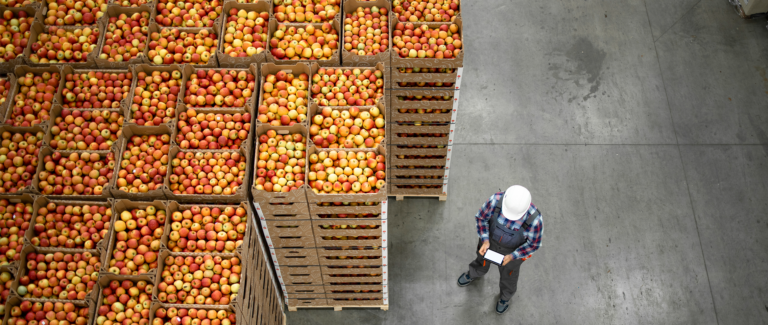
Discover 3 game-changing ways to improve wholesale margins using an AI-powered supply chain planning platform.

Discover the five critical challenges facing pet retailers today and our recommendations for how to tame them, from managing complex assortments to navigating the omnichannel landscape.

RELEX CEO Mikko Kärkkäinen recently spoke with Total Retail about what he sees as the top four trends impacting grocery retail this year.

This blog discusses how an effective supply chain planning solution can help keep relationships strong and stores efficient, stocked, and robust.

Delaney's thoughts about the advances being made in combining the planning of promotions and planograms and how RELEX is supporting retailers to make their work easier, more efficient, and more valuable.

The blog explores 3 major ways promotion planning can help retailers provide value to their customers and appeal to their shifting spending habits.

It’s that time of year again – Halloween, a season when retailers promote everything from candy and pumpkins to costumes and decorations. While the season’s theme may be scary, Halloween shouldn’t frighten retailers.
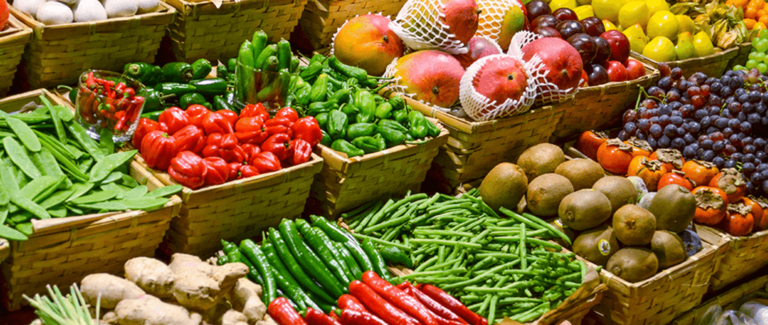
US-based grocery retailers who combine the use of AI with their human experts see the benefits of a fully optimized fresh assortment – with more sales and less waste

Pharmaceutical distributors face challenges with managing a wide array of prescription, OTC products, and substitutions. With advanced technology, pharmacies can handle the complex balancing act between suppliers and retailers.

To be competitive, pharmacies must successfully manage the variable and unique demand for prescription medications.