
The fresh competitive edge: Why retailers have to win with fresh products
Competition in fresh products is intensifying, with more grocers and convenience retailers using the category to differentiate and draw customers.
Competition in fresh products is intensifying, with more grocers and convenience retailers using the category to differentiate and draw customers.

There are two common misapprehensions about AI. The first is that AI is its own initiative, a separate investment that is superimposed onto all the other supply chain functions. The second is that all AI is created equal, and any engine will do.

Planograms have long been a go-to method for retailers to plan and execute their space strategies. They continue to be an essential aspect of space planning, but several pitfalls threaten retailers’ ability to build their shelves effectively and efficiently.

At RELEX, we are committed to reducing our own carbon footprint while supporting our customers with their sustainability efforts.

Assortment planning is a game-changer for retailers when it comes to boosting sales and revenue. Retailers use assortment planning to ensure they stock up on the products that people really need and want, especially the hot items that fly off the shelves.
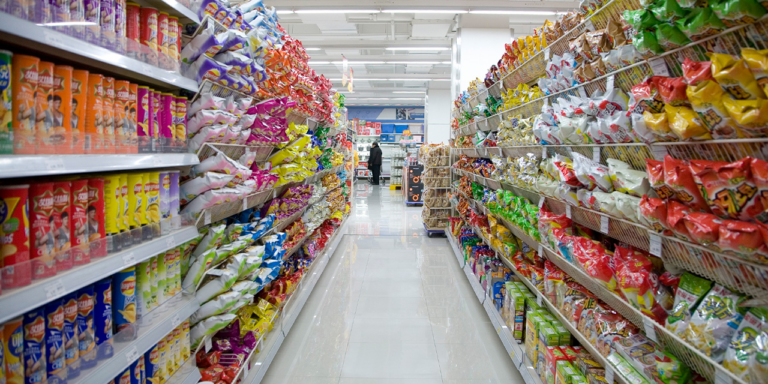
Inventory reduction is one of the most misunderstood and mismanaged strategies in inventory management. When executed correctly, though, running leaner can significantly cut costs while reducing stockouts and spoilage of fresh products.

As the wholesale industry evolves, automation technology has become a necessity to maintain and expand a wholesaler’s market presence, ensuring they remain competitive.

DIY retail can be extremely challenging–from low margins to the scale and complexity of the DIY assortment. Luckily, the right combination of technology and approach can help retailers address these challenges effectively.

Find out how RELEX helps grocery retailers manage fresh produce, avoiding waste, boosting sales, and guaranteeing freshness.
Explore promotional pricing strategies to boost business profitability in our complete guide.

Whereas store-specific planogramming can drive remarkable benefits like increased sales and availability and decreased waste, unified space planning builds on those benefits to deliver additional, more tangible value across the business.
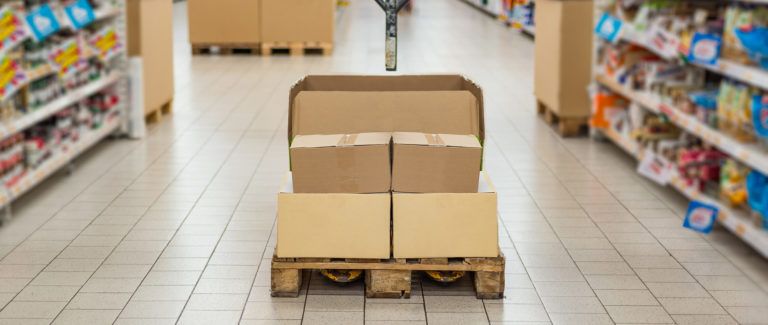
Using AI to optimize main replenishment days enables more efficient goods handling and store operations in retail distribution.
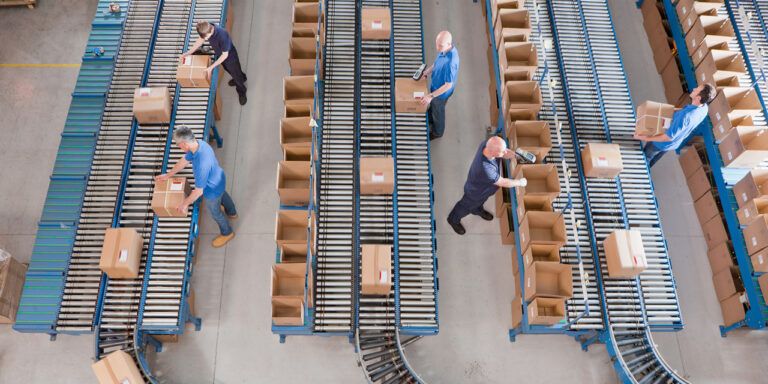
Perhaps no one stands to benefit more from collaboration than wholesalers, who serve as both customers and suppliers in their roles as supply chain intermediaries. So why do so many wholesalers struggle to collaborate effectively?

Managing inventory levels that meet demand efficiently requires an honest assessment of existing roadblocks, clearly defined goals, and a carefully considered roadmap.

In this blog, our expert discusses three typical promotion challenges and provides some tips to help you avoid promotion pitfalls and avoid risking already tight margins.
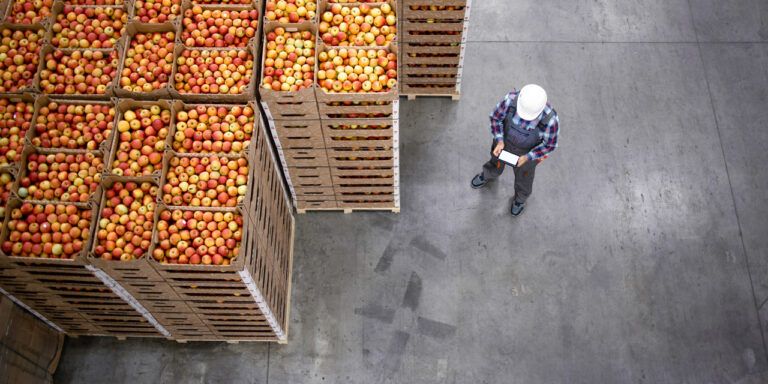
We spoke with Product Lead and resident RELEX F&R guru Stuart Douglas about how capacity challenges negatively impact retail companies — and how they can overcome them with the right planning solution.

This blog discusses how having a promotional planning solution can help retailers maximize profit, effectively evaluate promotion campaigns, and reduce errors in the promotion planning process.
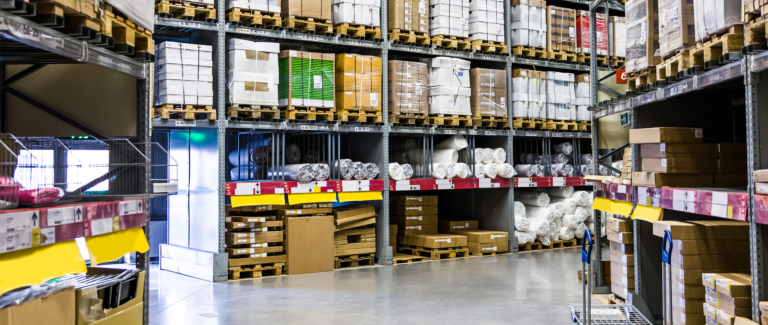
Discover how channel forecasts improve wholesale forecasting accuracy to make for happier customers and better profit margins.

In this article, we will focus on assortment rationalization: what it is about, its benefits, and why every retailer should have a solid process for it.
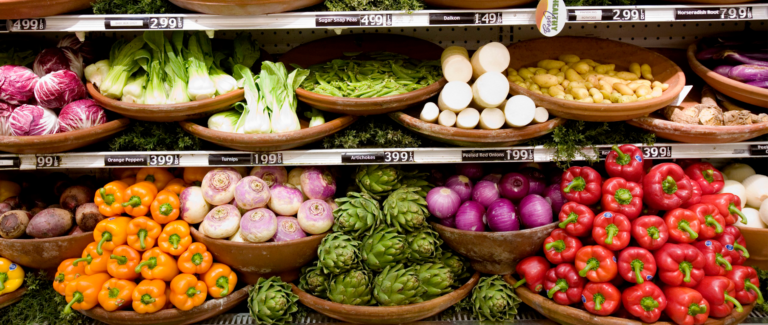
Retailers that deal with fresh products can leverage benefits from unifying their central supply chain planning and in-field store operations to improve management of their fresh inventory.
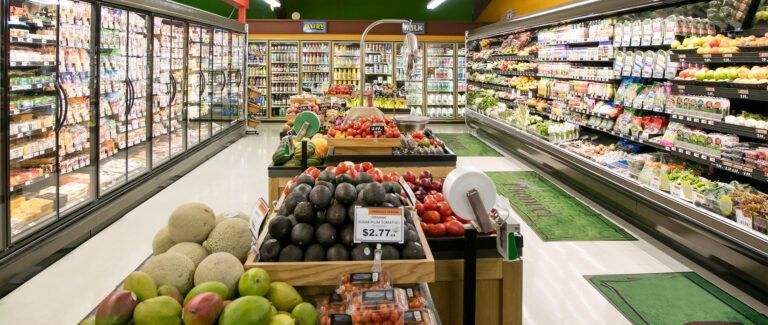
There are few challenges in retail tougher than managing grocery retail supply chains; optimizing a broad inventory that includes fresh and short shelf-life products is not easy.

In an increasingly competitive market, companies must take a proactive approach to managing long lead times — one that preserves customer loyalty, reduces costs, and ensures availability at a time when certainty is hard to come by.

All is not lost for grocery retailers struggling to balance the sometimes-competing priorities of fresher foods, happier customers, and healthier bottom lines.

Retailers are increasingly turning to innovative workload management solutions that go beyond traditional sales-driven labor planning to ensure seamless operations.