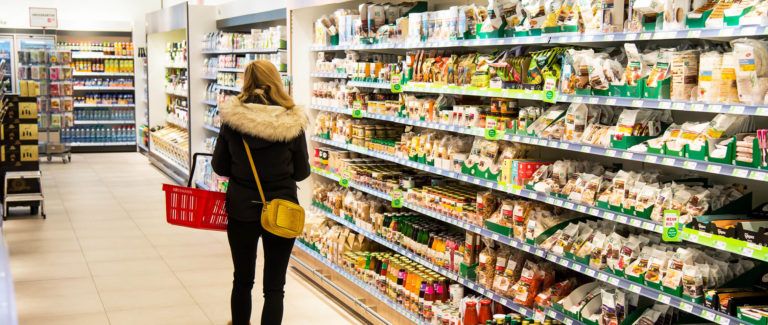
Case study: Rossmann
RELEX features enabled Rossmann to increase efficiency, cut back on in-store shelving work, and relieve some of the pressure on logistics while reducing inventory and out-of-stocks.
RELEX features enabled Rossmann to increase efficiency, cut back on in-store shelving work, and relieve some of the pressure on logistics while reducing inventory and out-of-stocks.

Weather-based forecasting is challenging, but those retailers who can accurately forecast when the weather will affect sales can capitalize on increased sales opportunities and prevent excess stock and costly spoilage.

Our expert Josh Mann explains what machine learning is, what kind of challenges it solves, and why many leading retailers are starting their transition toward machine learning-based demand forecasting.
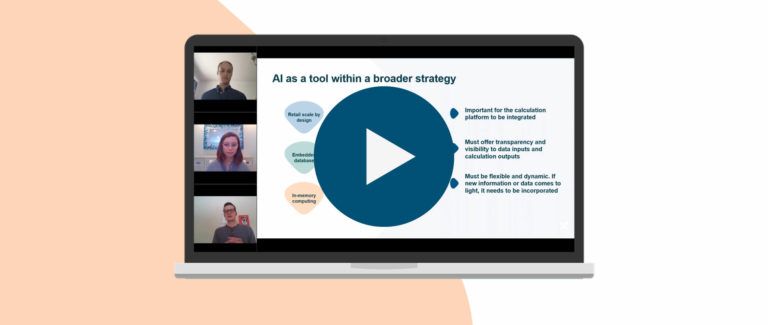
In this webinar, our our data scientists and retail planning experts explain what machine learning is, what kind of challenges it solves, and why so many retailers today are transitioning toward machine learning-based demand forecasting.

During the coronavirus crisis many businesses saw an increase in online ordering. This trend won't go away once the crisis has passed - people are discovering the convenience of online ordering.

While a sudden growth in online sales presents an opportunity to recoup lost in-store sales, it also poses a significant operational and logistical challenge.

RELEX’s best practices for managing demand for essential and nonessential items within a single environment during these unusual demand patterns.

Fresh items attract customers, yet grocers lose over 1,5 percent of revenue to food waste. Waste reduction is not just about sustainability, but it also contributes to a healthier balance sheet.
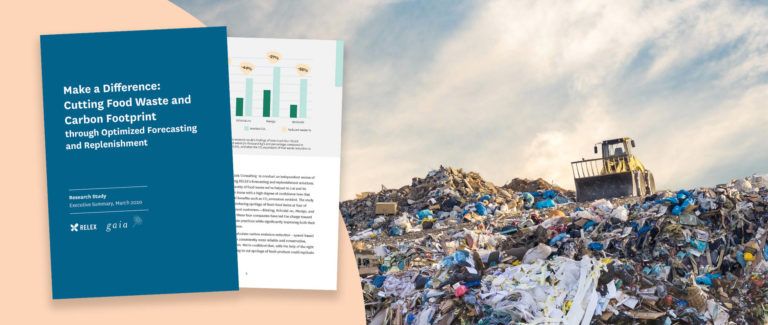
This study outlines how our four customers have led the charge toward environmentally responsible business practices while significantly improving both operations and cost-effectiveness.
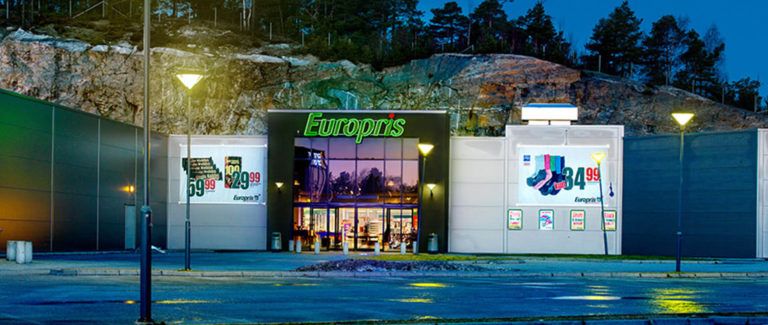
Norway’s largest discount variety retailer achieved over 17% cut in DC inventory in just 18 weeks.

Finland’s leading bookseller uses RELEX's Markdown solution to optimize stock levels and largely automate the markdown process.
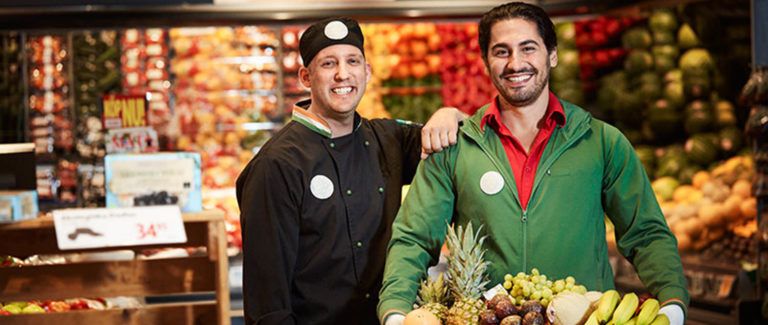
By linking shift planning to demand forecasts and the incoming delivery schedule, the Swedish grocer has been able to reduce personnel costs by 6-8 %.

Stochastic planning has been presented as a result for tackling uncertainty in supply chains. Our whitepaper explains what it is and when and how to use it.

Retail is impacted by many factors, such as weather and cannibalization, that can be taken into account with the help of machine learning.

RELEX has played a key role in supporting the evolution of Arena’s supply chain processes towards a more holistic control of its entire customer-fulfilment chain.

With RELEX, the largest Norwegian online fresh food retailer Oda has seen a 49% reduction in spoilage value and a 25% increase in inventory turnover.
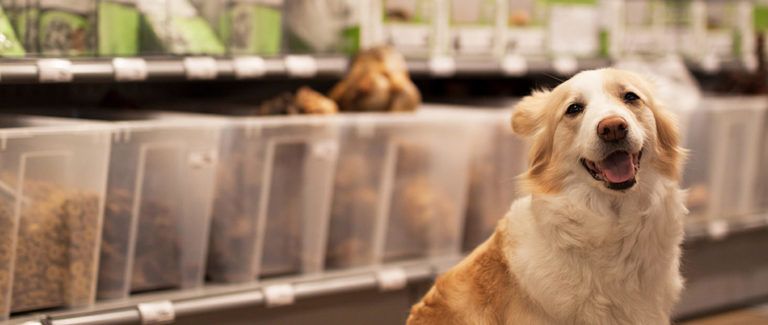
RELEX helped the leading pet supplies retailer in the Nordics to integrate its complex and ever-changing supply chain, which is now managed by a single super-user.

On top of Akademibokhandeln's list of requirements were full centralization of its replenishment and more effective control of the Christmas sales peak.
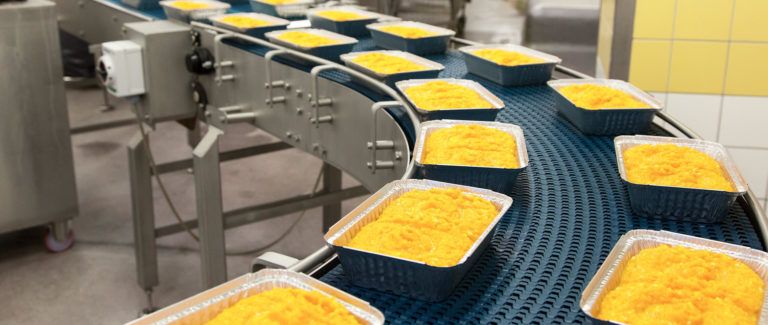
RELEX combines demand forecasting with financial and production planning to support Finnish convenience foods manufacturer's unified S&OP process.

WHSmith uses RELEX's machine learning to optimize weekday profiles and manage multiple daily deliveries, resulting in decreased spoilage and increased availability.

RELEX has provided the Swedish pharmacy chain with highly effective tools that support decision making, optimize reordering and improve the organization’s control over its entire product range.

Finland’s premier agricultural store chain Hankkija overhauled its entire procurement process, set up a new DC and built its purchasing organization around it.

The Swiss pharmaceutical wholesale dealer, implemented RELEX to increase automation, maintain availability at close to 100%, and at the same time lower inventory.
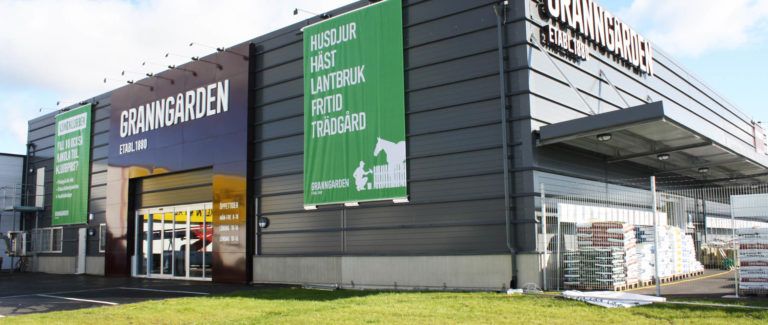
Swedish retail chain in the pets and gardening sector balances stock between online and stores through virtual ring-fencing.